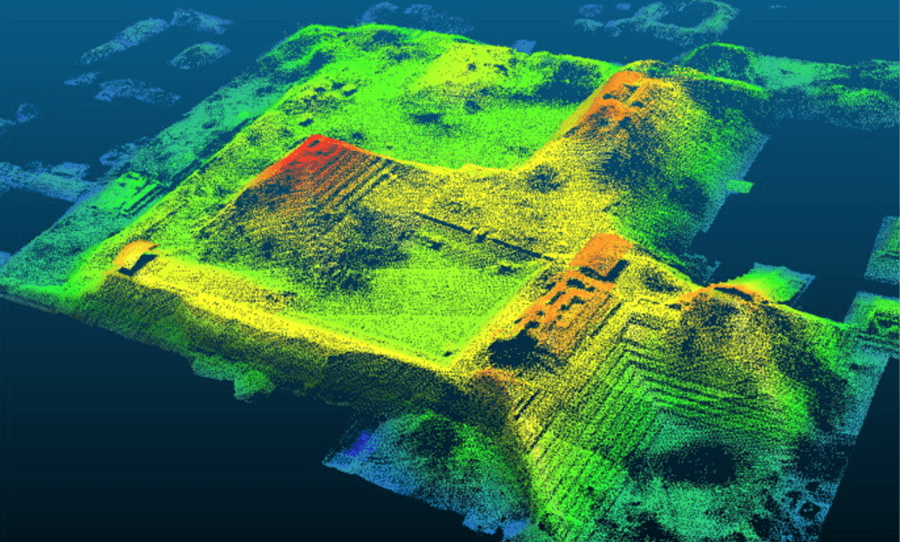

Ghana’s drone industry has evolved from a niche technology into a strategic national asset, supporting agriculture, mining, healthcare, construction, and security. Over the past decade, the country has established the most structured drone regulatory environment in West Africa, making it an attractive destination for both local and international UAV operators.
[gja_job_listings]
This in-depth guide explores Ghana’s drone ecosystem, covering the Remote Pilot License (RPL) process, approved UAV training programs, regulatory and operational challenges, the commercial drone market, and what the future holds for unmanned aerial vehicles (UAVs) in Ghana.
RPL Licensing Process in Ghana
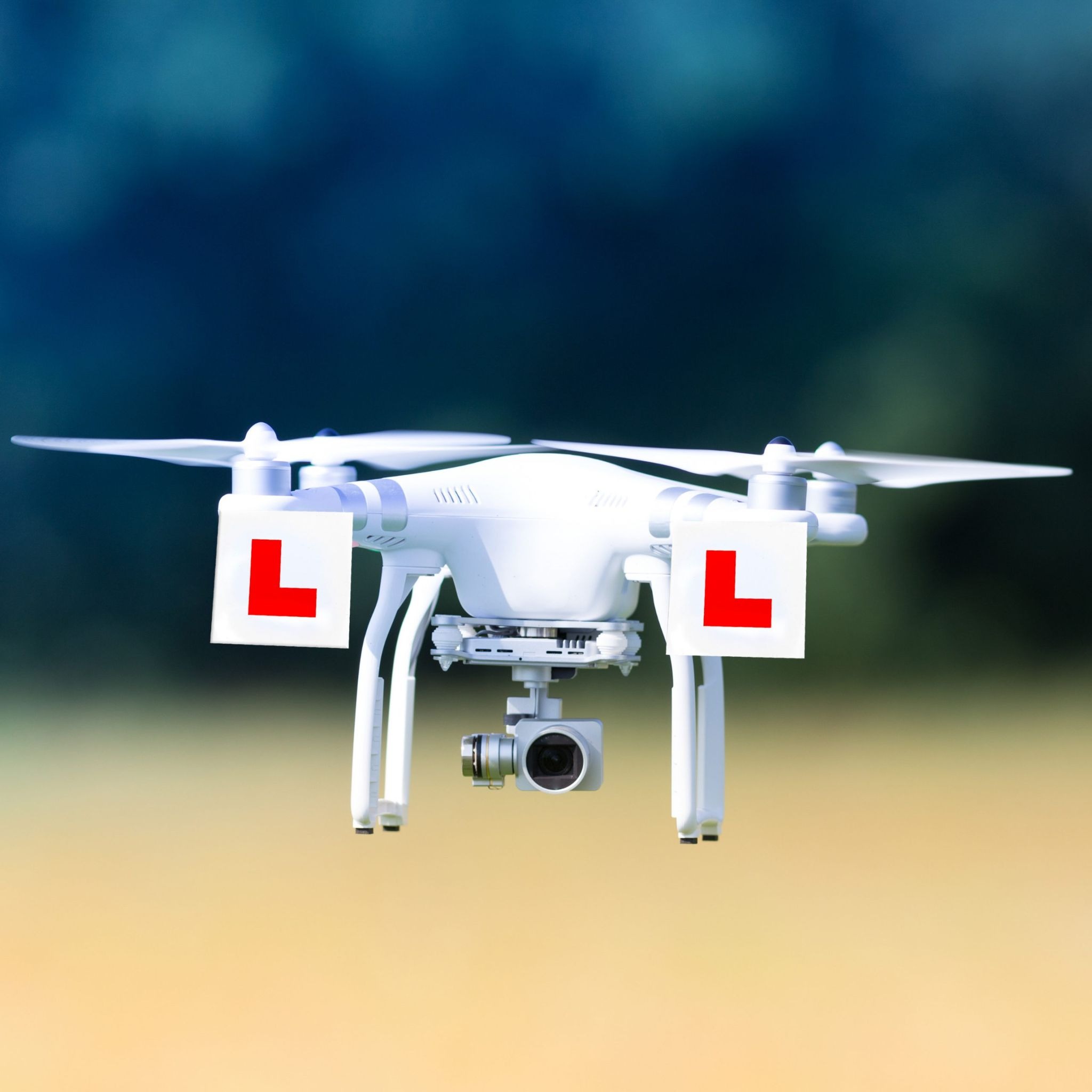
Anyone intending to operate drones commercially in Ghana must obtain a Remote Pilot License (RPL) issued by the Ghana Civil Aviation Authority (GCAA). Recreational and private operators are also regulated and must apply for operating permits depending on the weight and purpose of the drone.
The RPL framework in Ghana is closely aligned with ICAO aviation standards, ensuring safety, airspace control and professionalism within the UAV sector.
Steps to obtain RPL in Ghana
The RPL licensing process typically involves the following steps:
- Enrollment at a GCAA-approved Training Institute – Applicants must undergo theoretical and practical drone pilot training through an accredited RPAS training organisation.
- Theory Exam – Candidates are assessed on aviation knowledge, air law, meteorology, navigation and operational procedures.
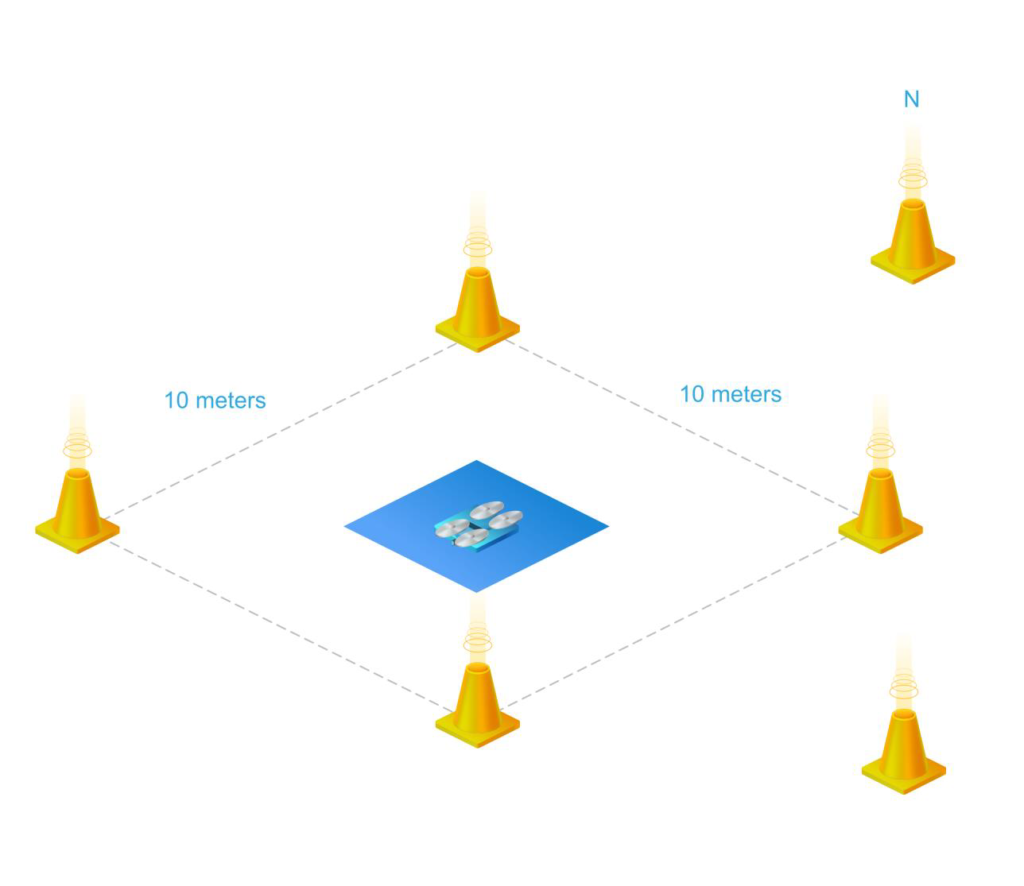
- Practical Flying Skills Test – It evaluates airworthiness, emergency handling, mission planning and operational safety.
- Class 3 Medical Exam – A mandatory aviation medical assessment conducted by an approved medical examiner.
- Issuance of License – Once all requirements are met, the GCAA issues an RPL, allowing commercial UAV operations within approved limits.
This structured approach ensures that drone pilots operating in Ghana meet internationally accepted safety and qualification standards.
Drone Pilot Training Requirements and Institutes
Drone pilot training in Ghana is highly regulated to maintain quality and safety throughout the industry. Training programs are designed to equip pilots with technical flying skills and a strong understanding of aviation principles.
Main topics covered in RPL training
Approved UAV training programs typically include:
- Air law and aviation procedures
- Meteorology
- Drone navigation
- Radio telephony
- Flight performance and operations
Approved Training Institute in Ghana
Currently, the University of Mines and Technology (UMAT) RPAS training organization is the only institution licensed to provide RPL-compliant drone training in Ghana. This has established UMAT as a central hub for UAV capacity building, research, and professional drone education in the country.
As demand increases, additional training institutions under GCAA inspection are expected to enter the market.
Regulatory and operational challenges in Ghana’s UAV sector
Despite its progress, Ghana’s drone industry still faces a number of challenges that impact operators, investors and service providers.
Major Challenges Include:
1. Regulatory compliance costs
Licensing, drone registration, insurance, and operational approvals can be expensive, especially for startups and small operators.
2. Long approval processes
Flight permits, especially for sensitive areas or BVLOS (Beyond Visual Line of Sight) operations, can take time to process.
3. Limited public awareness
Many potential customers are still unfamiliar with drone capabilities, leading to slow adoption in some areas.
4. Insurance and Risk Management
Drone insurance is mandatory for commercial operations, but access to affordable aviation insurance is limited.
5. Airspace and infrastructure constraints
Urban airspace integration and drone traffic management systems are still developing.
Addressing these challenges will be important to unlock the full economic potential of UAVs in Ghana.
Commercial Drone Market Space in Ghana
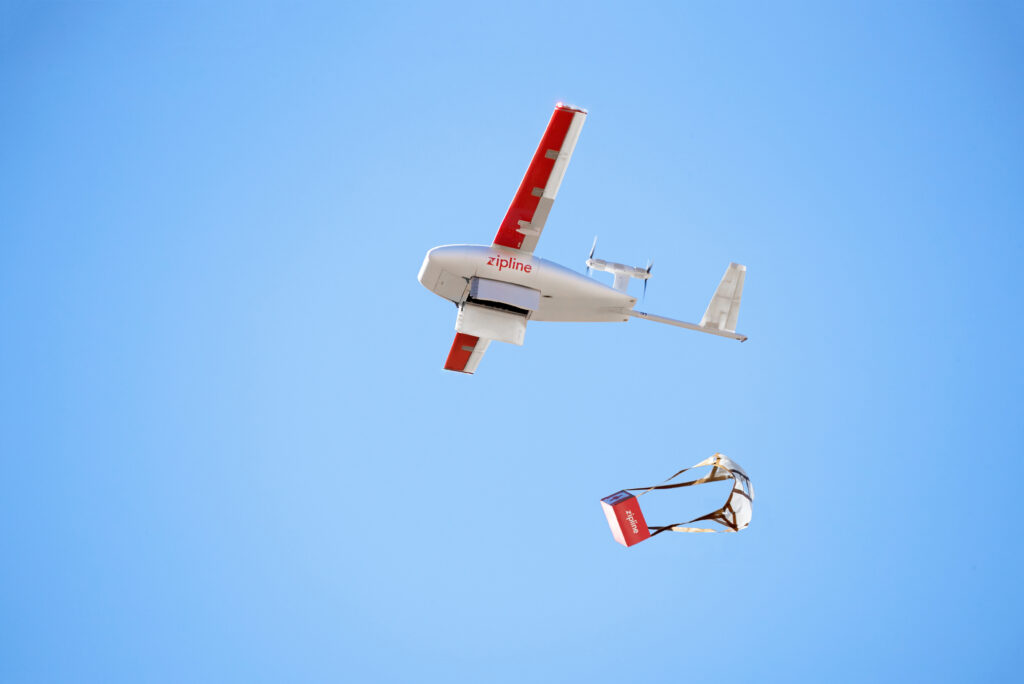
Ghana is widely considered one of the early adopters of commercial drone technology in Africa, particularly in health care logistics. Along with Rwanda, the country gained global attention through Zipline, which uses drones to deliver medical supplies to remote communities.
According to Hilda Yorm Draw – Zonaira, drone pilot and instructor at UMAT, the drone market in Ghana is continuously growing, supported by the growing pool of licensed pilots and increasing demand from the private sector.
Key Industries Driving Drone Adoption in Ghana
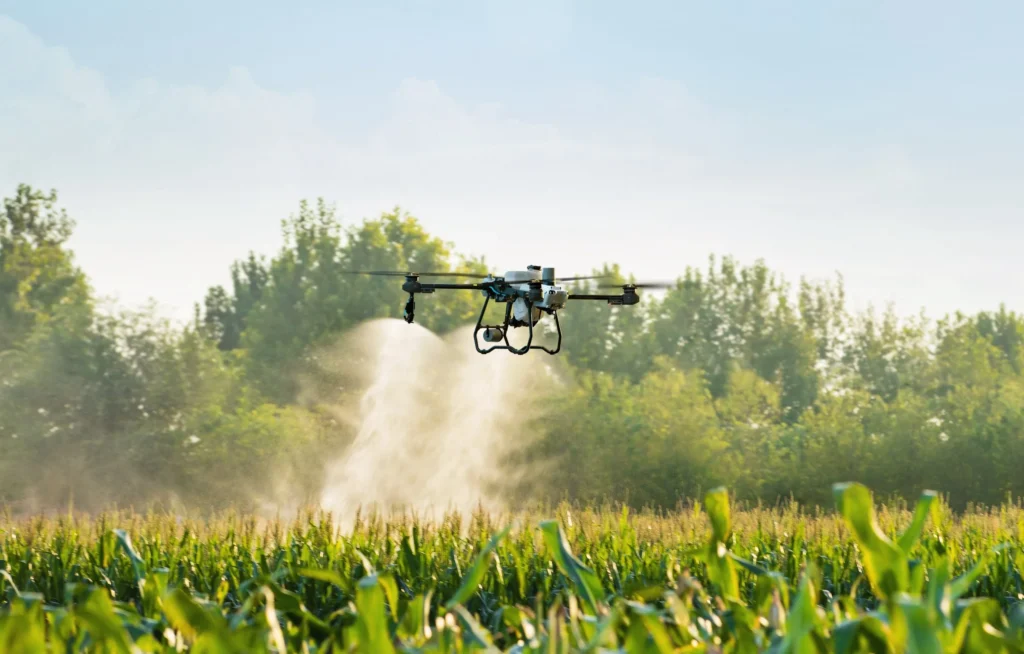
1. Agriculture and precision farming
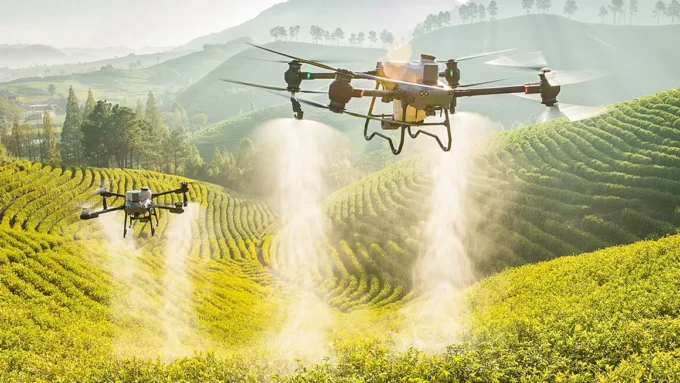
Drones are transforming agriculture in Ghana by enabling the following:
- Crop Health Monitoring and NDVI Analysis
- Precise spraying and fertilizer application
- Field mapping and yield estimation
- Smart irrigation scheme
These applications help farmers reduce costs, improve productivity, and support food security.
2. Mining and Natural Resources
Ghana’s mining sector is one of the largest adopters of UAV technology. Drones are used for:
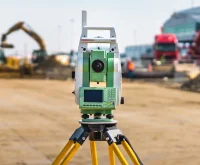
- Topographic survey
- Volumetric survey & stock measurement
- environmental monitoring
- Security and Site Inspection
3. Construction and Real Estate
In construction and real estate, drones support:
- Land and aerial survey
- Project progress monitoring
- Infrastructure inspection
- Marketing and promotional visuals
4. Security and Surveillance
Both private and public institutions use drones:
- Infrastructure monitoring
- Border and perimeter monitoring
- Crowd and Event Management
5. Logistics and humanitarian services
Drone delivery services have revolutionized medical logistics in Ghana, especially in rural and hard-to-reach areas. Since 2019, Zipline has partnered with Ghana Health Service to deliver medicines.
Investment and business opportunities in Ghana’s drone sector
The expanding UAV ecosystem presents many business and investment opportunities, including:
- Drone Service Companies (Survey, Agriculture, Inspection)
- UAV Training and Certification Center
- Drone sales, maintenance and repair services
- Data Processing and Geospatial Analysis
- Drone software and an AI-powered analytics platform
With the right regulatory support, Ghana can attract regional and international investments in UAVs.
Future of UAVs in Ghana
Ghana is well-positioned to become a hub for UAV innovation in West Africa. Several factors support this view:
- Government Digitization Initiative
- Supporting the aviation regulatory framework
- Emerging Drone Corridors and Test Areas
- STEM education and skills development
- Public-private partnership
Future developments may include local drone assembly, expanded BVLOS operations, AI-powered analytics, and regional drone service exports.
As policies evolve and infrastructure improves, drones will play an even greater role in national development, job creation and technological advancement.
Frequently Asked Questions (FAQ)
How long does it take to get RPL in Ghana?
Typically, between 3 and 6 months, depending on the training program and exam timelines.
Can foreigners operate drones commercially in Ghana?
Yes. Foreign pilots must meet GCAA requirements and obtain appropriate licenses and permits.
Is drone insurance mandatory in Ghana?
Yes. Commercial drone operators must hold approved aviation insurance.
Which industries use drones the most in Ghana?
Agriculture, mining, construction, healthcare, logistics and security are the major sectors.
Is Ghana open to drone investment?
Yes. Ghana actively supports innovation, foreign investment and technology-driven industries.